
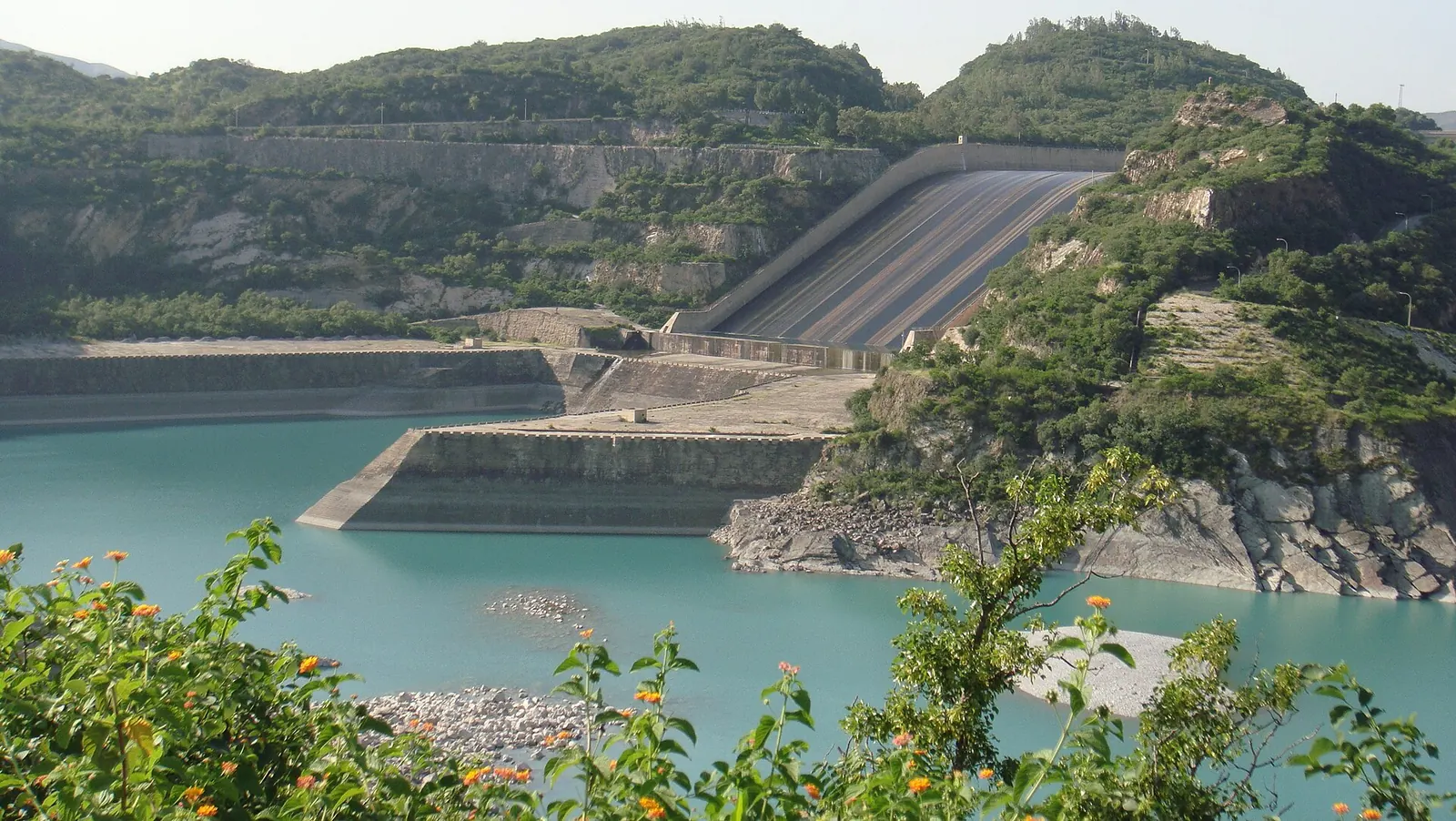
A credit-rating release from PACRA on Thar Energy, published around the close of FY2025, gives a compact picture of how Pakistan generated its electricity that year. It reports total generation of 127,160 GWh, about 6 per cent below the reference target. Hydropower supplied 31.4 per cent, nuclear 17.7 per cent, local coal 12.2 per cent and imported coal 7.1 per cent.
Two calculations from those figures are worth making. Hydro and nuclear together supplied 49.1 per cent of the year's electricity. And local coal now accounts for 63 per cent of coal-fired generation (12.2 out of a combined 19.3 per cent), which reflects Thar's growing role and the merit-order advantage of a fuel priced in rupees.
The official series
The government's own figures run a little behind. The Pakistan Economic Survey 2024-25, using NEPRA data, covers July to March. Over those nine months generation was 90,145 GWh, down from 92,335 GWh a year earlier, a fall of 2.4 per cent by our calculation. Hydro, nuclear and renewables made up 53.7 per cent. Electricity consumption fell 3.6 per cent over the same period, to 80,111 GWh.
Installed capacity rose to 46,605 MW from 45,888 MW, according to the survey, and the survey attributes the increase to 2,813 MW of net-metered solar now counted in the total. That is 6.0 per cent of all installed capacity (2,813 divided by 46,605), sitting on rooftops, outside central dispatch, and largely invisible in the generation tables because self-consumed output never reaches the grid meters. Meanwhile the government terminated power purchase agreements with six older IPPs from October 2024, including Hub Power and Lalpir, which is why thermal capacity in the table falls.
What the mix does and does not tell you
The headline shares flatter the system. A grid in which hydro and nuclear supply half the energy should have cheap marginal costs, and in energy terms it often does. The bill problem lies elsewhere: falling grid sales spread fixed capacity payments over fewer units, and the expansion of rooftop solar accelerates that.
We think the case for new imported-coal contracting is now very weak, with local coal already doing most of the coal-fired work. The harder question is hydro seasonality. A 31 per cent hydro share in an average water year can fall sharply in a dry one, and the planning documents should publish a dry-year case with its fuel import bill.
Nuclear's share is the quiet success. It does not depend on the monsoon or on LNG markets.