
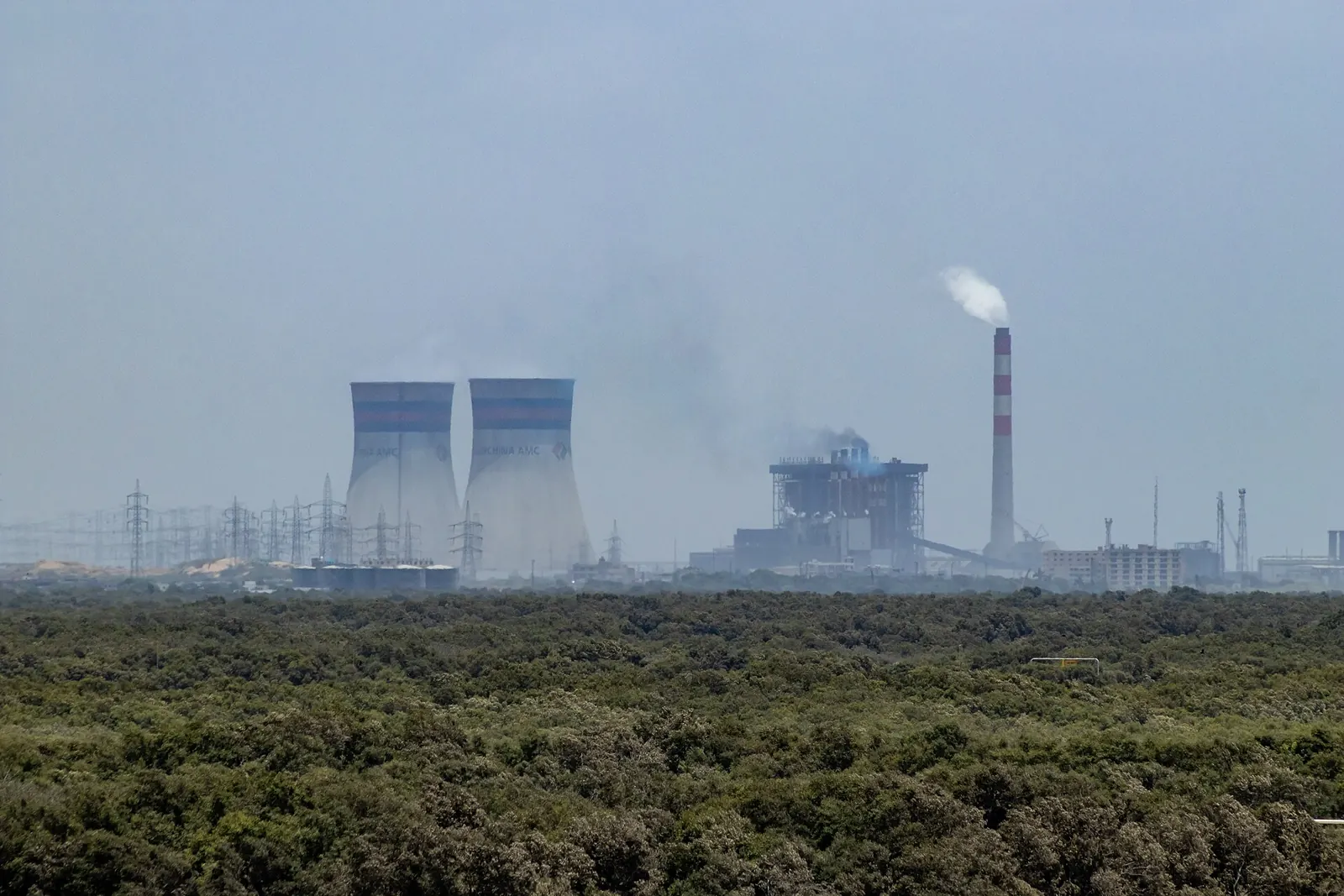
Pakistan built two coal fleets for different reasons. The coastal and Punjab plants that burn imported coal were built quickly under CPEC to end load-shedding. The Thar plants were built to use a domestic lignite reserve that the Pakistan Economic Survey 2024-25 puts at 175 billion tonnes. Both now compete in the same merit order, and the domestic fleet is winning.
According to the survey, five Thar-coal IPPs totalling 3,300 MW have been commissioned through PPIB, including the 660 MW Lucky Electric plant at Port Qasim, which is listed among them. Three imported-coal plants built under CPEC, Sahiwal, Port Qasim and Hub, total 3,960 MW, and the government is trying to start blending Thar coal at all three. A PACRA rating release on Thar Energy reports that in FY2025 local coal supplied 12.2 per cent of national generation and imported coal 7.1 per cent.
Output per megawatt
Putting those numbers together gives a rough measure of how hard each fleet is working. Local coal produced 12.2 per cent of generation from 3,300 MW; imported coal produced 7.1 per cent from 3,960 MW. Per megawatt of capacity, the Thar fleet generated about twice as much (12.2 divided by 3,300, against 7.1 divided by 3,960, a ratio of 2.06). The comparison is approximate, since there are smaller imported-coal units outside the three CPEC plants, but the direction is clear. Mine-mouth lignite priced in rupees sits higher in the merit order than seaborne coal bought in dollars.
The blending question
Blending Thar lignite into imported-coal boilers is the government's way of giving the CPEC plants a domestic fuel without building new capacity. It is technically harder than it sounds. Lignite has lower calorific value and higher moisture than the coal those boilers were designed for, so blending ratios are likely to be modest, and moving lignite from Tharparkar to Sahiwal or Hub means rail or road logistics that do not yet exist at scale. Thar's mine expansion also has to clear its own financing and receivables problems first.
The survey also records a moratorium on processing new imported-fuel power projects in place for nearly a decade. That leaves the existing imported-coal plants as stranded-asset candidates if their capacity payments continue while their output falls.
Our view
We think the imported-coal plants should be the first target for the next round of contract renegotiation, ahead of Thar. Their capacity payments are owed in full regardless of dispatch, and a fleet running at half the intensity of its domestic competitor is the clearest case of paying for capacity the system does not use. Blending may help at the margin. It will not change the basic economics, and the environmental controls on Thar's plants deserve the same scrutiny as the coastal ones, whatever the fuel's origin.