
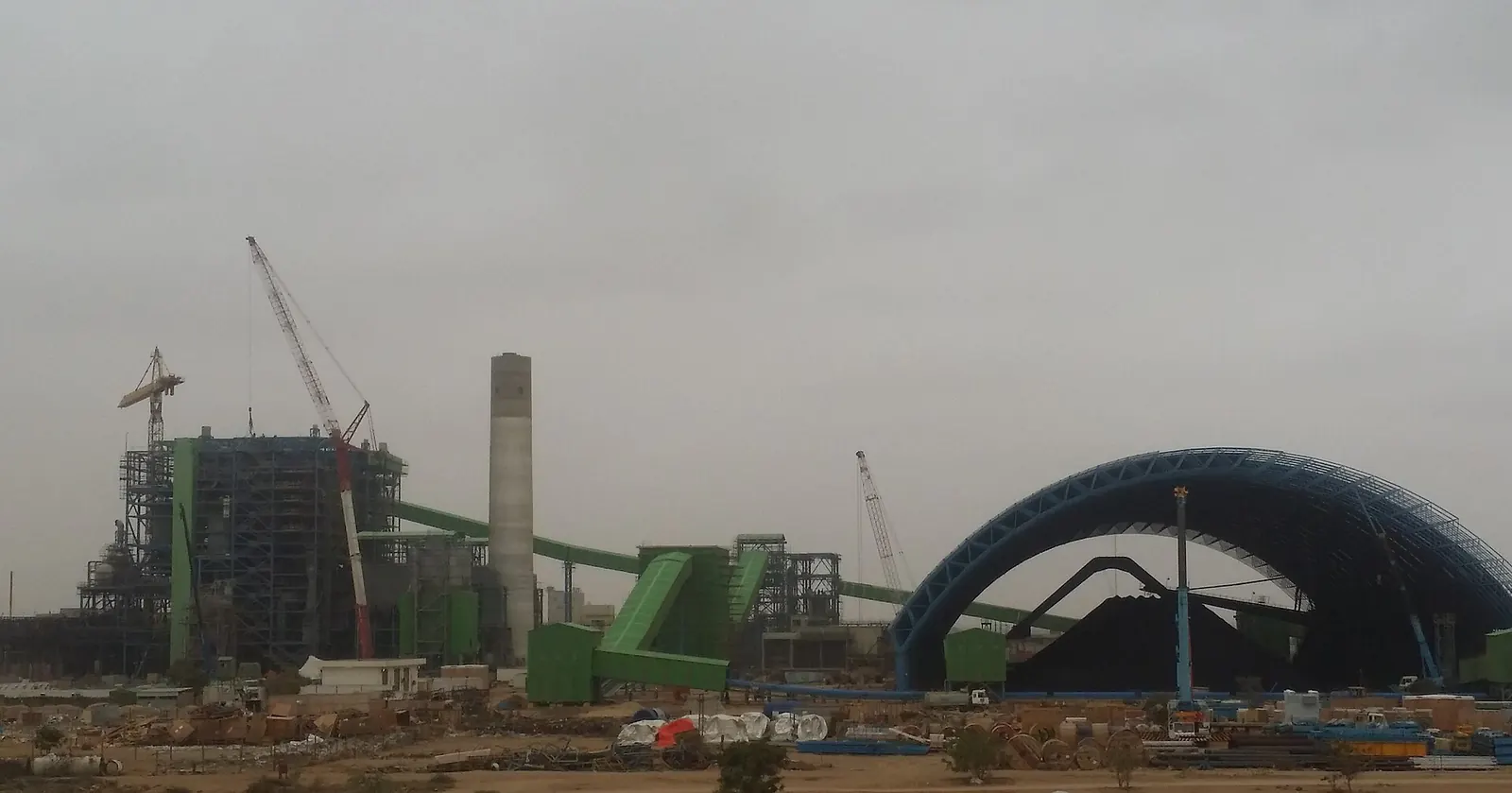
By early December 2024 the renegotiation of Pakistan's independent power producer contracts had moved from task force talk to signed terminations. The government ended power purchase agreements with Hub Power, Lalpir Power, Pakgen Power, Roush Power, Saba Power and Atlas Power with effect from 1 October 2024, according to the official record of installed capacity. Reporting at the time described lump-sum settlements covering past capacity payments and receivables in return for early termination, a larger group of plants being moved from take-or-pay to take-and-pay terms, and amended contracts for bagasse plants.
Why the contracts had to move
The IMF's September staff report for the new Extended Fund Facility put the problem in one line: capacity payments account for about 60 per cent of generation costs. Those payments are owed whether or not plants run. With grid demand flat and rooftop solar taking daytime load, each year spreads the same fixed bill over fewer units sold, and the average tariff rises even when fuel prices fall.
Under the programme, the government committed to settle up to PRs 263 billion of arrears to IPPs and government-owned generators in FY25 on revised PPA terms, paid in floating-rate Pakistan Investment Bonds and sukuk. That sum is about 9.4 per cent of the PRs 2,794 billion power-sector circular debt recorded at end-March 2024, on our calculation. Arrears are the leverage. Producers owed money for years have an incentive to accept lower future payments in exchange for being paid now.
The budget is already carrying the cash. The FY25 power subsidy of PRs 1,229 billion includes PRs 358 billion for arrears payments to power producers, separate from the bond-financed settlement. The government is, in effect, using the same arrears twice as a bargaining tool: once as cash in the budget and once as a reason for producers to accept revised terms. That is an effective negotiating position for one year. It cannot be repeated once the arrears are cleared, which is why the terms agreed now will set the cost base for the rest of the decade.
Take-and-pay is a different business
Moving a plant to take-and-pay means it is paid mainly for energy actually dispatched. For an old furnace-oil or inefficient gas plant that rarely runs, the change cuts its fixed income sharply. That is the purpose. It also changes behaviour. A plant paid only when dispatched has less reason to keep itself available for a rare peak, and the system operator will need clearer availability and testing rules to make sure the units the grid still relies on are maintained.
Our view
The terminations are justified. The plants concerned are among the oldest in the fleet, and paying them to stand idle was the clearest waste in the system. We are less comfortable with how the deals were done. Settlements were negotiated plant by plant, under pressure, with terms reported in the press rather than published. Investors in future renewable and transmission auctions will read that as a sign that a contract in Pakistan is a starting position.
The government should publish the valuation method, the settlement amounts and the revised tariffs for every renegotiated plant. If the savings are as large as officials claim, publication only helps them.
The relief should show up as a lower capacity component in NEPRA's quarterly adjustments. Until it does, the minister's per-unit savings figures are projections.